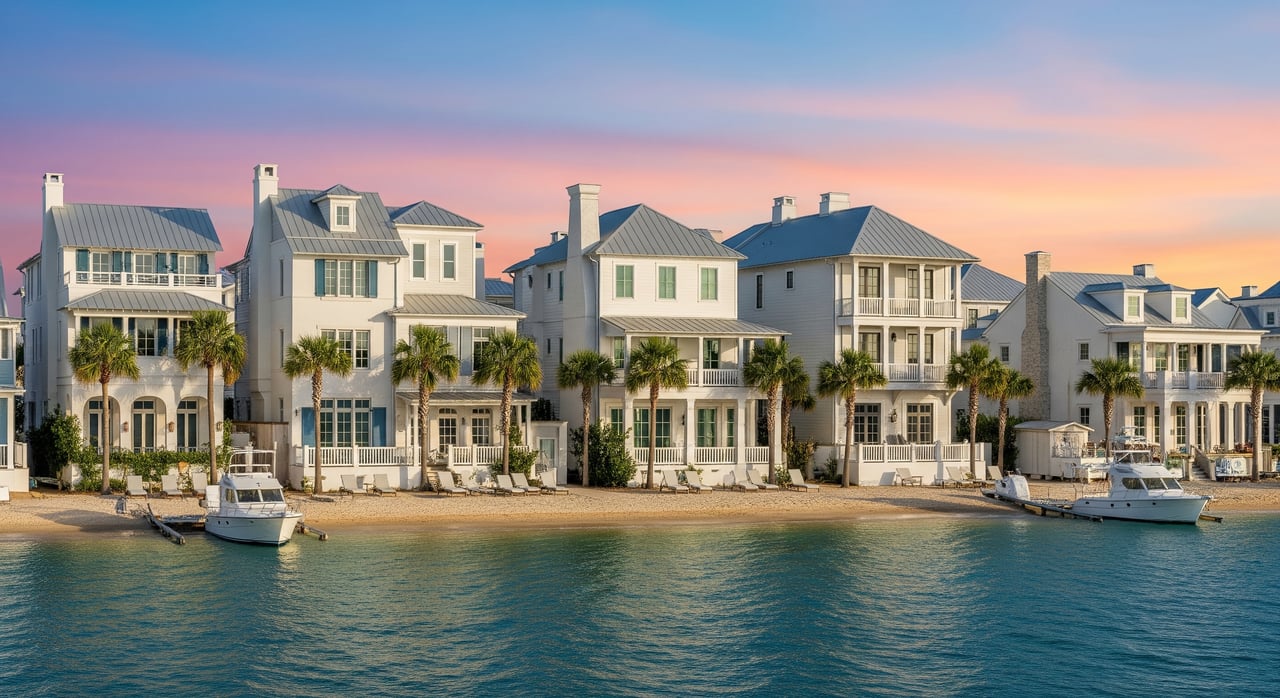
Dreaming of a place where you can walk from your porch to a café and the beach in just a few minutes? If you’re exploring 30A, Rosemary Beach often tops the list for its beauty, calm streets, and effortless access to everyday pleasures. In this guide, you’ll get a clear picture of daily life, amenities, seasons, homes, and practical details so you can decide if it fits your goals. Let’s dive in.
Rosemary Beach at a glance
Rosemary Beach is a master-planned, mixed-use community on Scenic Highway 30A in Walton County on Florida’s Gulf Coast. Its design follows New Urbanism principles, which means compact blocks, a pedestrian-first layout, and a true town center feel. You’ll notice narrow, low-speed streets, front porches, courtyards, and alleyways that connect quietly to the beach.
The result is a refined, intimate neighborhood where homes, shops, and green spaces are thoughtfully woven together. Many daily needs sit within a compact footprint, so you can enjoy a slower rhythm without giving up convenience.
Walkability and daily rhythms
Inside Rosemary Beach, walkability is a major perk. Cafés, casual dining, small boutiques, art galleries, and services cluster around the town center, and many residences sit a short stroll or bike ride away. You can handle most in-town errands on foot.
Getting around is simple. People rely on walking and biking for short trips, and choose golf carts or cars for outings beyond the neighborhood. Public transit is limited along 30A, so you’ll likely keep a car for grocery runs and regional errands. Parking and streets are scaled for low speeds, and many homes and condos include assigned parking or garages.
A typical day might look like this:
- Morning coffee and a walk through the central green.
- Midday beach time via a dune walkover.
- Afternoon bike ride along 30A’s path.
- Dinner in the town center, then a slow stroll home.
Beach access and coastal life
Living here keeps you close to the Gulf. Rosemary Beach features dune walkovers and boardwalks that bring you right to the sand, and because the town is compact, many properties are just a short walk to the water. The beaches are wide and white, and the Gulf’s generally clear, shallow waters invite swimming, paddleboarding, and relaxed family time.
Access details vary. Like most of 30A, you’ll find a mix of publicly accessible walkovers and areas managed by community associations. Parking and access rules are enforced, especially in peak periods, so it helps to understand the access tied to a specific property.
Dining, shopping, and services
Rosemary Beach favors small-scale, curated retail and dining. Expect cafés for coffee, spots for leisurely brunch or dinner, and boutiques and galleries for browsing. You’ll see more independent and regional operators here than big-box chains within the core.
For full grocery trips and larger errands, plan short drives to nearby towns with bigger supermarkets and services. Many residents blend walkable daily routines with quick car trips for bulk shopping, special appointments, and healthcare.
Recreation and wellness
Outdoor time is central to the lifestyle. You can swim, paddleboard, or kayak along the coast and nearby bays and coastal lakes. Walking and biking are part of everyday life, and local fitness studios and tennis or community fitness resources may be available depending on your membership and location. Green spaces, including a central lawn and pocket parks, offer easy places for picnics and informal gatherings.
Seasonal vibe and timing
The character of Rosemary Beach changes with the seasons. Its small year-round population grows significantly with vacation rentals and second homes, and you’ll feel that shift as the year moves along.
- Peak season: Spring break through summer brings high occupancy. Beaches are lively, restaurants and shops are busier, and traffic along 30A picks up. Reservations and parking plans matter.
- Shoulder seasons: Late spring and early fall are active but more relaxed. Many buyers love these windows for their balance of energy and comfort.
- Off-season/winter: Quieter and mild by national standards. Some businesses reduce hours, and you’ll notice a more local, laid-back pace.
If you want a lively, social summer environment, you’ll find plenty of activity in peak months. If you prefer peaceful coastal living, the off-season might be your sweet spot.
Homes, ownership, and HOAs
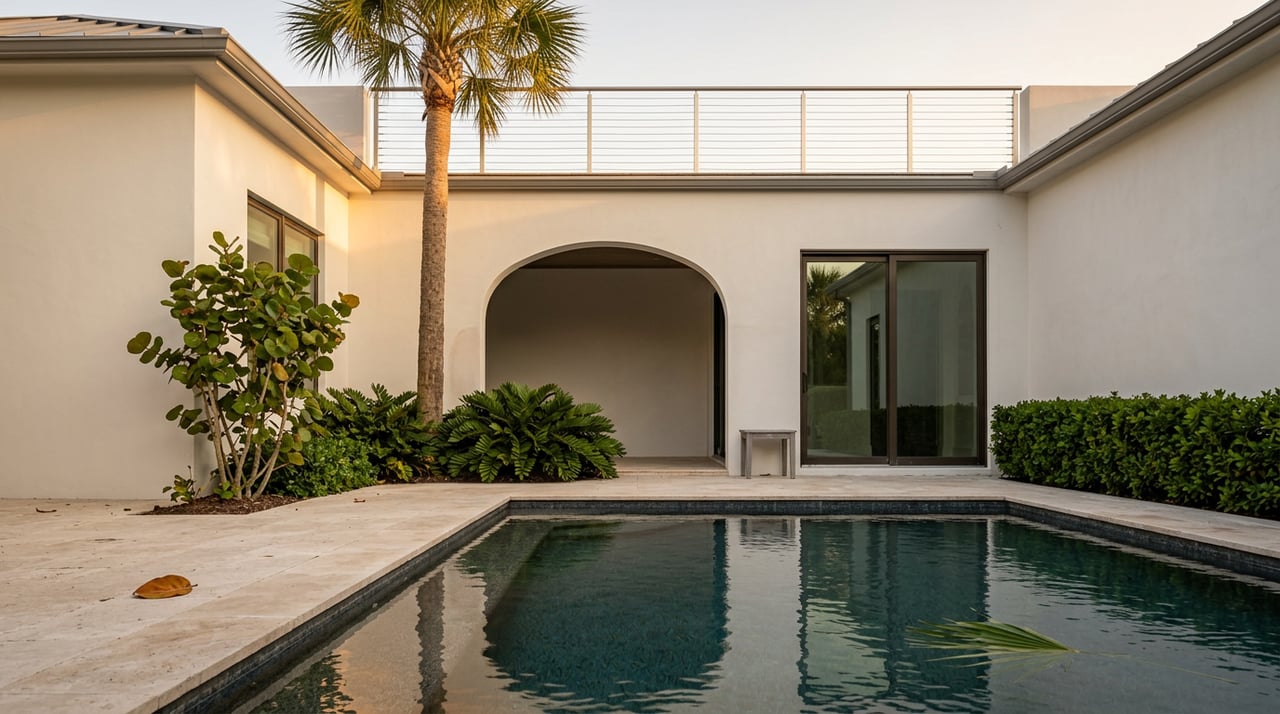
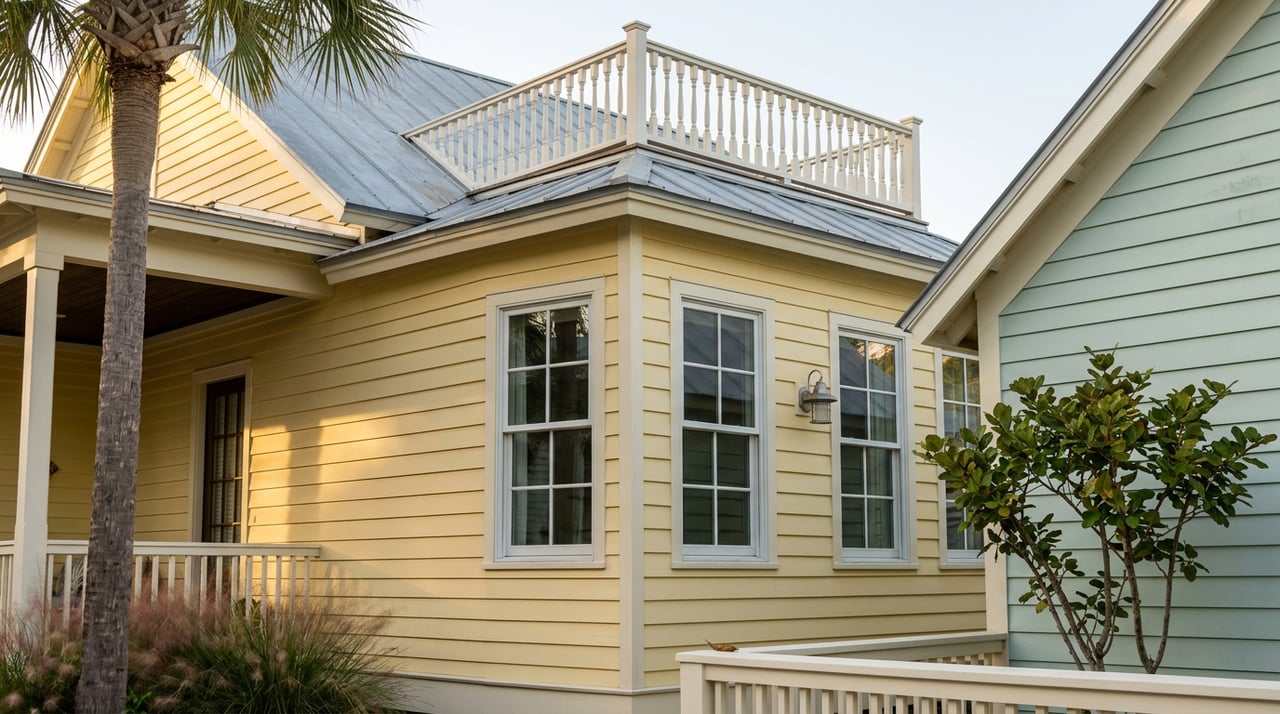
You’ll find cottages, townhomes, luxury single-family homes, and condominiums in Rosemary Beach. Architectural guidelines create cohesive streetscapes, with consistent materials, porches, and human-scale details. Many properties are used as vacation rentals or second homes, while others are owner-occupied year-round.
Properties here generally carry a price premium compared with inland markets. Buyers often purchase for a mix of personal use and long-term investment potential. Most homes are subject to a homeowners association with covenants that guide exterior design, permitted uses, and rental operations. Your best move is to request complete HOA documents, covenants, and rental policies early in due diligence so you understand costs, rules, and permissions.
Practical living logistics
- Utilities and connectivity: Standard municipal water and sewer services are available in developed areas. Internet and cable providers vary by building and location, so review options and speeds for the specific property.
- Schools: Rosemary Beach is within Walton County. Public schools are operated by the Walton County School District. Families often consider nearby town options, private school choices, or homeschooling based on needs.
- Healthcare: You’ll travel to regional medical centers in larger nearby towns for full-service hospital care and specialties. Routine care and urgent needs are typically handled in those regional facilities.
- Air travel: Rosemary Beach is accessible by car from multiple regional airports in Northwest Florida. Drive times depend on the airport and traffic, and many travelers plan for about an hour.
- Cars and parking: Owning a car is common for errands outside the core. Parking inside the neighborhood tightens during peak season, so plan ahead for guests and dining reservations.
Pro tip: Make a quick checklist during due diligence that covers HOA scope, parking assignments, storage for bikes and beach gear, and internet provider options. These small details shape day-to-day comfort.
How it compares nearby
- Seaside: Early New Urbanist icon with pastel cottages and an amphitheater. It feels more “storybook” in its palette and presentation.
- Alys Beach: Distinct white stucco architecture with a more formal, international aesthetic and a very controlled design language.
- WaterColor, WaterSound, Grayton Beach: WaterColor is larger and park-forward with an emphasis on family-friendly amenities. Grayton Beach is more historic and eclectic with a looser planning feel.
Rosemary Beach tends to feel refined, intimate, and architecturally cohesive. It balances form and warmth, and it places a strong emphasis on walkability and a consolidated town center. If you want a home where you can step out and be in the heart of things without getting in the car, Rosemary Beach is compelling.
Who loves living here
You may feel right at home in Rosemary Beach if you value:
- A walkable coastal lifestyle with cafés, shops, and the beach within easy reach.
- Thoughtful architecture and a cohesive streetscape.
- A lively summer season paired with quieter off-season months.
You might prefer a different 30A town if you want:
- A larger resort footprint and expanded amenity programming.
- An eclectic, historic vibe with fewer design restrictions.
- Big-box shopping within the immediate neighborhood core.
Next steps
If you’re drawn to a polished, walkable beach-town that still feels intimate, Rosemary Beach could be a strong fit. A local, detail-focused approach helps you align property type, HOA rules, and access details with how you actually want to live and vacation. When you’re ready to explore on-the-ground options, connect with Elizabeth Boswell for curated listings, neighborhood guidance, and concierge-level support.
FAQs
Is Rosemary Beach walkable compared with other 30A towns?
- Yes, the town core is highly walkable, with many cafés, restaurants, boutiques, and beach access points a short stroll or bike ride from most homes.
Can you live year-round in Rosemary Beach or is it mostly rentals?
- You can live here full-time, though a significant share of properties are second homes or vacation rentals, so the population and activity level vary by season.
How does beach access work for homeowners and guests in Rosemary Beach?
- The community uses dune walkovers and boardwalks, with a mix of publicly accessible and association-managed access; confirm rights and rules tied to each property.
What types of homes are available in Rosemary Beach and what drives pricing?
- You’ll find cottages, townhomes, luxury single-family homes, and condos, with pricing influenced by coastal proximity, design quality, and limited supply.
What should buyers know about HOAs and rental policies in Rosemary Beach?
- Most properties have HOA covenants that regulate design and permitted uses, so request and review HOA documents and rental policies early in due diligence.
How busy does Rosemary Beach get in peak season?
- From spring break through summer, beaches, restaurants, and 30A traffic are noticeably busier, and reservations and parking plans can be important.
Where do Rosemary Beach residents shop for groceries and basics?
- The town center offers small markets and conveniences, while larger supermarkets and services are a short drive away in nearby communities.
How close are schools and healthcare for Rosemary Beach residents?
- Public schools are within the Walton County School District, and full-service hospitals and specialty care are located in larger nearby towns along the Emerald Coast.
Which airports serve Rosemary Beach for regional and national travel?
- Multiple regional airports serve Northwest Florida, with typical drive times around an hour depending on the airport and seasonal traffic.