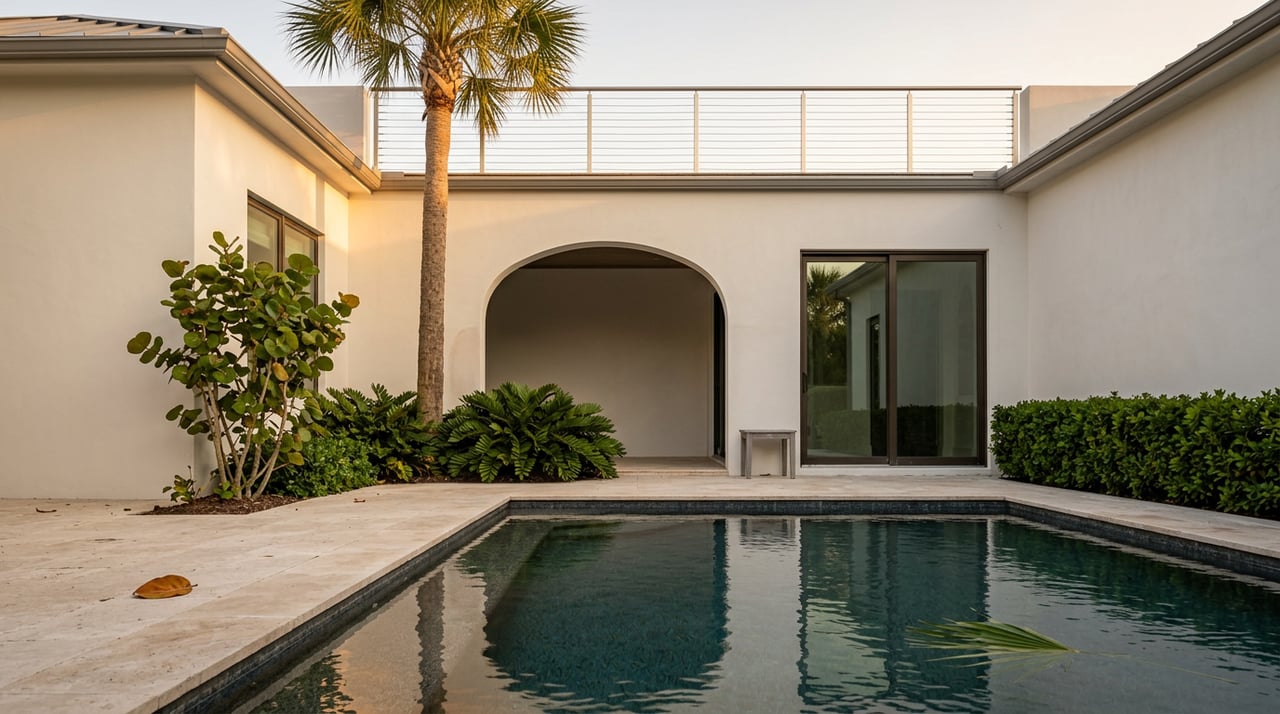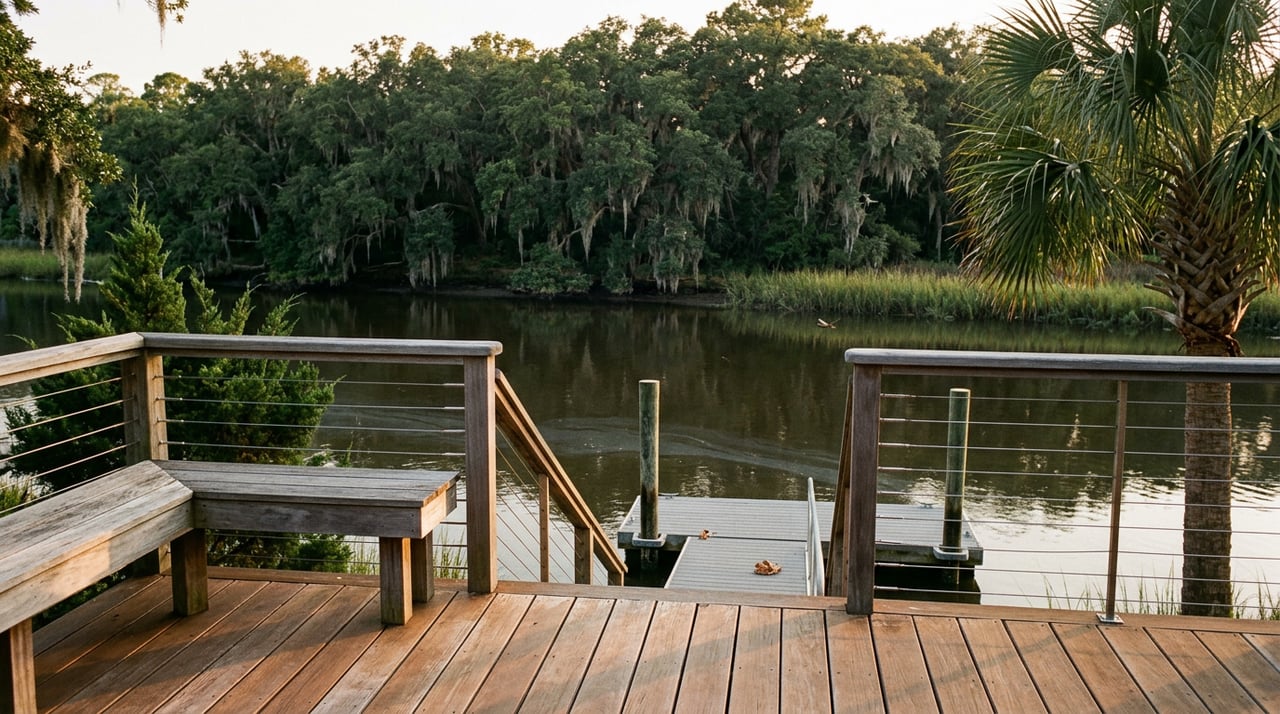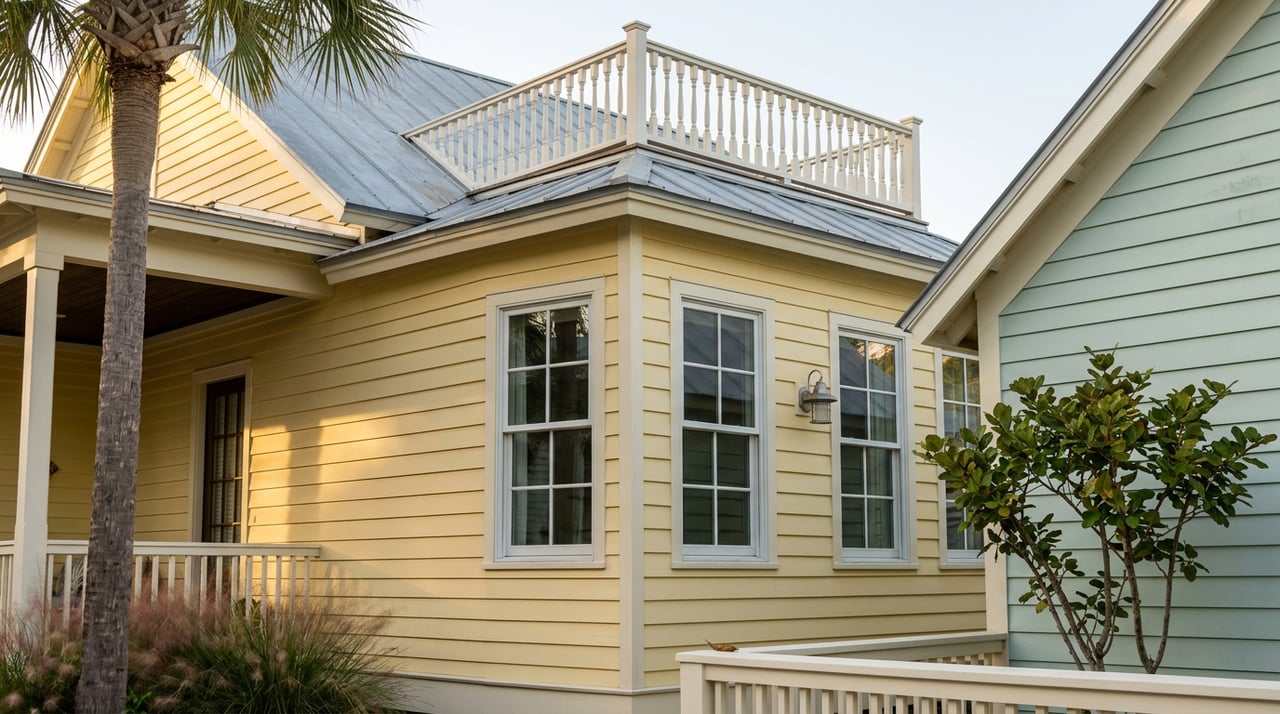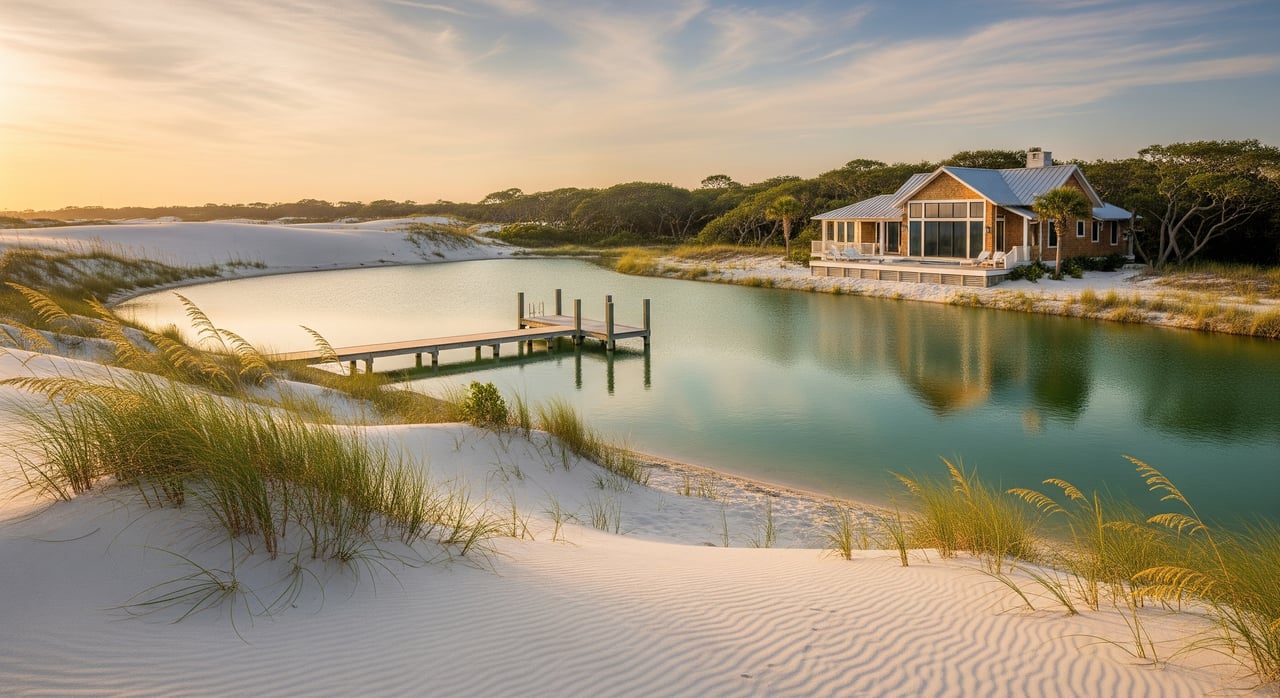
You came to 30A for bright mornings, blue water, and a slower rhythm. If you are torn between a glassy paddle at sunrise and a front‑row seat to white‑sand sunsets, you are not alone. Coastal dune lakes offer a rare, nature‑rich alternative to traditional Gulf‑front living, especially around Dune Allen. In this guide, you will learn what makes these lakes special, how lakefront compares with Gulf‑front, and what due diligence helps you buy with confidence. Let’s dive in.
What coastal dune lakes are
Coastal dune lakes are shallow lakes tucked just landward of the dunes. They sometimes open to the Gulf during storms or high‑water events, so water levels and salinity change over time. That shifting mix means these lakes can be fresh, brackish, or salty at different points in a year.
These systems are globally rare and found in only a few places worldwide. Along 30A, multiple lakes line the corridor, creating an area of real ecological significance. They support a variety of fish, invertebrates, and birds, which makes them productive for nature viewing and quiet recreation.
Because they are sensitive to nutrient inputs and shoreline disturbance, water quality can change with development pressure. Algal blooms or seagrass dieback can occur if nutrients increase or inflows change. Understanding the lake’s condition is part of a smart purchase.
Lakefront vs Gulf‑front lifestyle
Lakefront living gives you calm water views framed by trees and marsh edges. You often hear less wind and surf, and you may see wading birds and seasonal fish activity. It is ideal if you want to launch a kayak or paddleboard from your backyard and enjoy a quieter daily rhythm.
Gulf‑front living puts you right on the beach with direct sand access and the sound of waves. You get big‑water views, more wind and salt spray, and quick access to surf, swimming, and beach days with family and friends. It is the classic 30A experience many buyers seek.
Privacy and pace
Lakes often feel more enclosed and private because of vegetation and narrower water bodies. The sense of quiet can be a major draw for nature‑forward buyers. Gulf‑front homes often sit near popular boardwalks and high beach activity, which brings energy and people.
If you prefer to watch wildlife from a shaded porch and paddle before breakfast, lakefront may fit your lifestyle. If you want to step onto the sand and host big beach gatherings, Gulf‑front may be the better match.
Recreation differences
On coastal dune lakes, non‑motorized boating is common because the waters are shallow and intimate. Shore fishing for estuarine and freshwater species can be productive depending on conditions and season. Always check state rules before you fish.
On the Gulf, you can enjoy swimming, surf casting, shelling, and larger‑scale boating nearby. The activities feel very different, so think about how you want to spend your mornings and evenings.
Environmental and maintenance factors
Water quality varies in lakes with rainfall and nutrient inputs. You should ask for recent monitoring or local observations to understand trends. Gulf waters face their own risks such as red tide, which is a marine event and different from nutrient‑driven algal blooms in lakes.
Shorelines on lakes may require vegetated buffers and careful management. You generally cannot harden or fill shorelines without permits. Gulf‑front homes experience greater salt spray, which can increase corrosion on metal, fixtures, and landscaping.
Storm, flood, and insurance
Both lakefront and Gulf‑front homes sit in coastal flood‑risk areas. During major storms, some lakes can breach to the Gulf, which can change local water levels and inundation patterns. Review FEMA flood maps, base flood elevation, and local elevation data before you buy.
Work with your insurer early to price flood and wind policies for the specific property. Ask about historic claims in the micro‑neighborhood to set expectations.
Value and rental considerations
Both lakefront and Gulf‑front properties are desirable but attract different buyer profiles. Gulf‑front often commands higher nightly rental rates because of direct beach access. Lakefront can draw steady demand from guests who value privacy and nature.
In practice, price premiums and time on market vary by micro‑location and inventory. Ask your agent for a side‑by‑side of recent comparable sales and local rental data to quantify the tradeoffs for your target area.
Spotlight: Dune Allen
Dune Allen sits on the west end of 30A and is defined by several small coastal dune lakes within steps of the Gulf. The area blends beach access with easy paddling and shore fishing, which suits buyers who want variety. Public access points vary by lake, and some shorelines are managed by HOAs or adjacent private lots.
If Dune Allen is on your shortlist, map access carefully. Confirm how you would launch a kayak, where guests would park, and how close you are to the nearest public beach access.
Rules, permits, and conservation
Shoreline work such as docks, boat ramps, seawalls, or vegetation removal usually requires county and state permits. Dune systems are protected to preserve natural processes, so rules can be strict. Plan timelines accordingly if you envision any improvements.
Fishing follows state wildlife regulations. Seasonal protections for sensitive species can limit certain activities. Many lakes are monitored by agencies for water quality, and some are part of restoration programs.
Because waterfront property rights can be complex, verify deeded frontage, easements, and HOA rules with your agent and closing team. Confirm whether the shoreline is privately owned or public.
Buyer checklist for 30A dune lakes
- Confirm the exact lake name and whether your property has deeded frontage or only access via an HOA amenity.
- Identify public and private access points, plus distance to the nearest public beach access.
- Review county GIS for setbacks, flood zones, and property elevation.
- Ask for recent water quality information for the specific lake.
- Determine if the home connects to municipal sewer or uses septic, and request the most recent septic inspection if applicable.
- Inquire about the history of inlet openings or storm‑driven breaches, and any reports of nuisance algae or seagrass loss.
- Check permitting requirements for docks, boathouses, seawalls, and vegetation work before planning improvements.
- Get quotes for flood and wind policies, and ask about historic claims in the immediate area.
- Request recent comps comparing lakefront and Gulf‑front within the same micro‑market.
- Speak with the HOA or neighbors about boating rules, noise, and seasonal traffic patterns.
How to choose your fit
Start with your daily rhythm. If you picture a quiet morning paddle, bird songs, and shaded water views, lakefront likely fits. If you crave big Gulf horizons, surf sounds, and a lively beach scene, Gulf‑front is hard to beat.
Then look at numbers. Compare insurance quotes, recent comps, and rental projections for your short list. Finally, walk the properties at different times of day to feel wind, light, and activity. Your best choice is the one that matches both your lifestyle and your risk tolerance.
Ready to explore the best options on and near the lakes of 30A, including Dune Allen and its neighbors? Connect with Elizabeth Boswell for tailored guidance, private previews, and a smooth path from first tour to closing.
FAQs
Will my 30A coastal dune lake connect to the Gulf?
- Openings are episodic and driven by storms or high‑water events, so some years see more connection than others; ask about the specific lake’s history before you buy.
Are algae in lakes and red tide in the Gulf the same risk on 30A?
- No, lake algal blooms are typically nutrient‑driven in enclosed waters, while Gulf red tide is a marine event; both are possible but have different causes and scales.
Can I build a dock on a Walton County coastal dune lake?
- Permits are usually required and size or design may be limited given small, sensitive lakes; confirm county and state requirements before planning any structure.
Which is better for rental income on 30A, lakefront or Gulf‑front?
- Gulf‑front often commands higher nightly rates due to direct beach access, while lakefront appeals to guests seeking privacy and nature; verify with local rental data.
Do coastal dune lakes increase mosquito issues near homes on 30A?
- Standing water can support mosquitoes, but shoreline vegetation management and local control programs help reduce nuisance; conditions vary by lake and season.