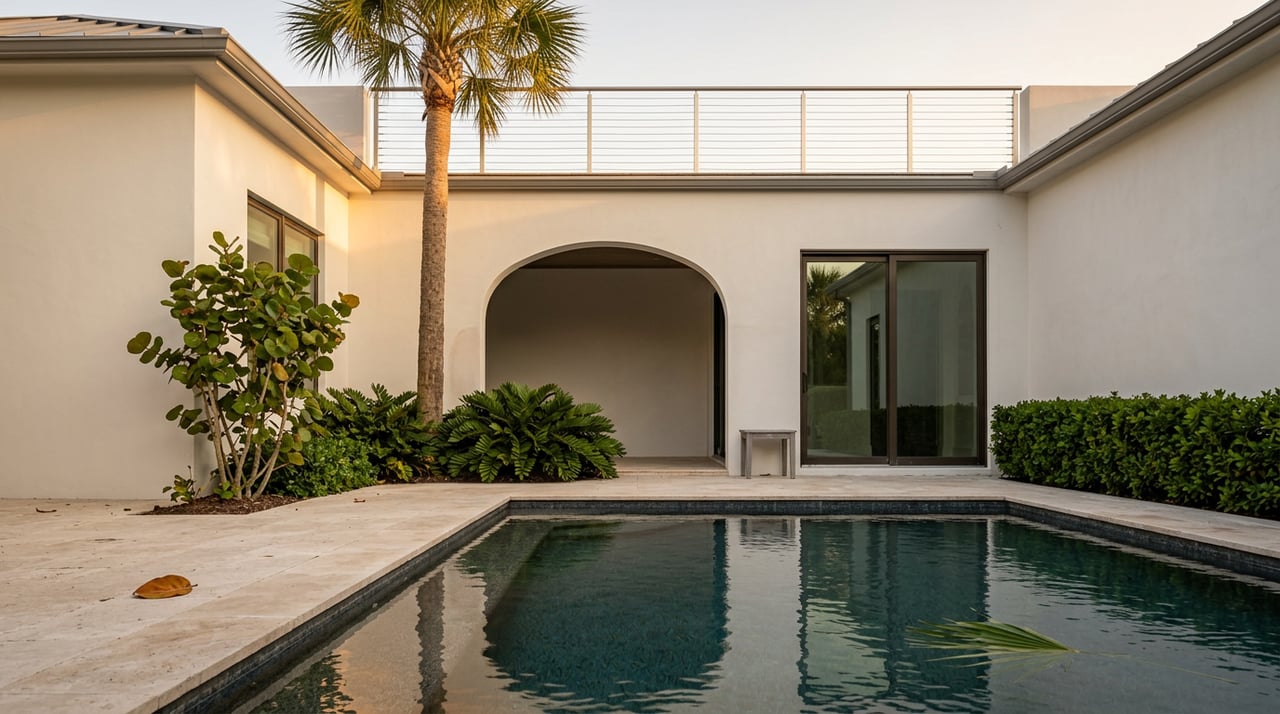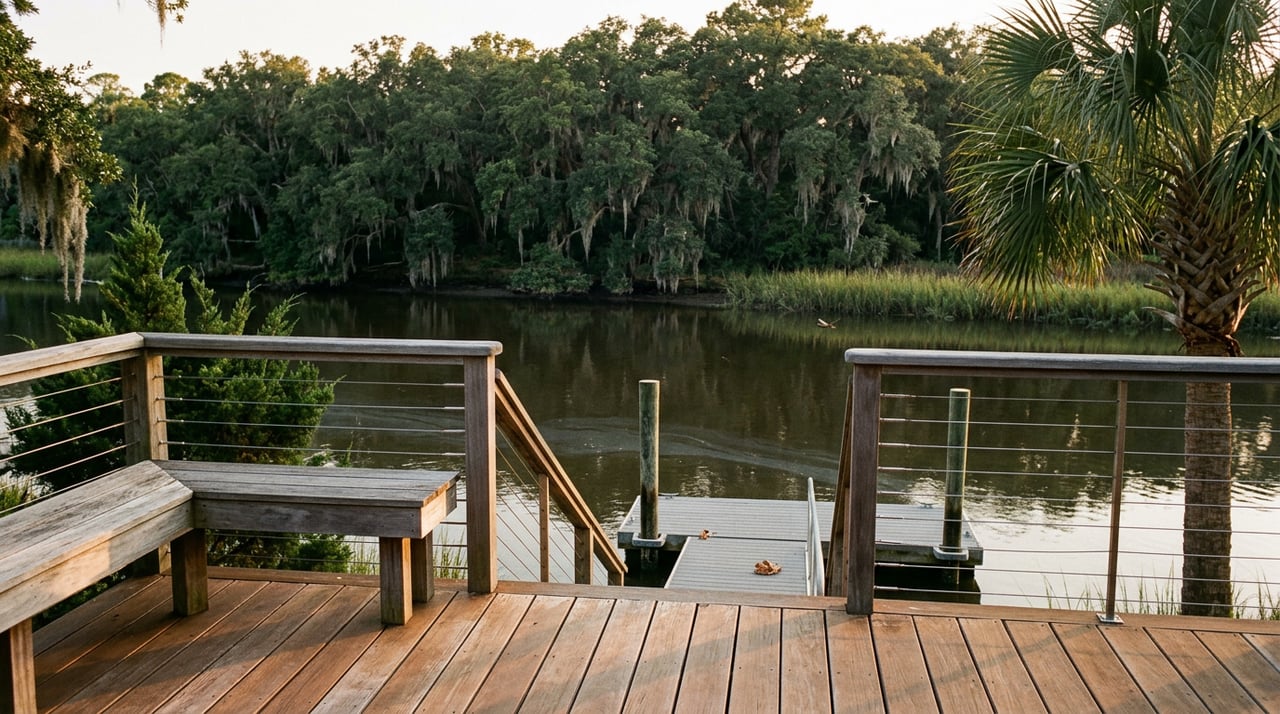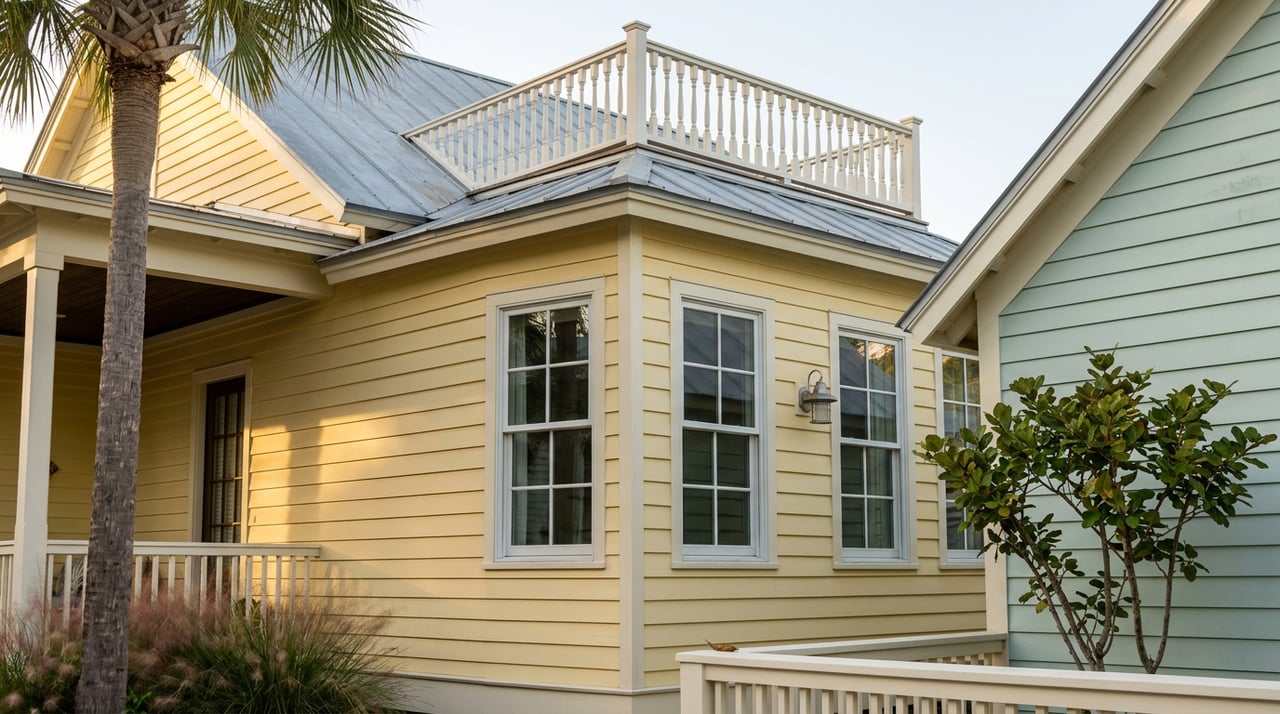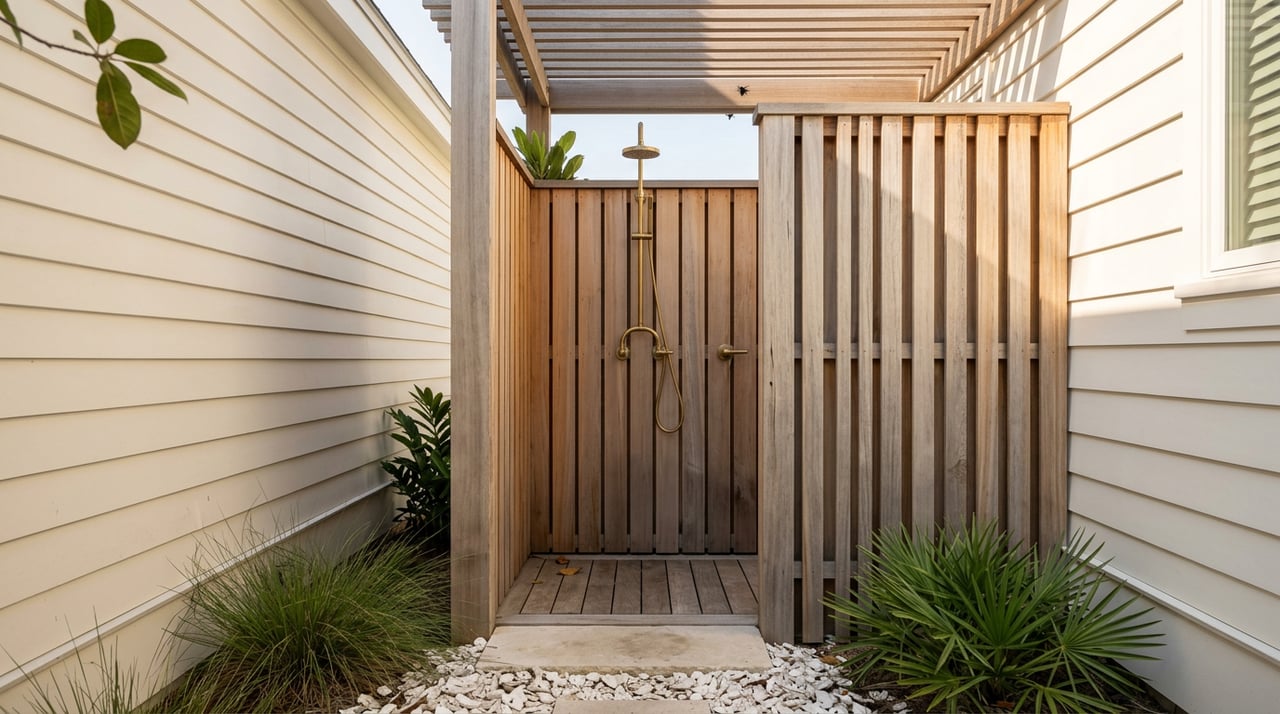
Thinking about buying on 30A and wondering if life is better inside an HOA or outside of one? You are not alone. Between private beach access, architectural rules, rental policies, and dues, the right choice can shape your lifestyle and long-term costs. In this guide, you will learn how HOAs and no-HOA living work specifically in Santa Rosa Beach and greater Walton County, what fees really cover, how rules affect rentals, and how to match your goals to the right community. Let’s dive in.
What “HOA” means on 30A
HOA, condo, and master associations
On 30A, “HOA” can mean several things. A Homeowners Association governs single-family or townhome neighborhoods and enforces covenants, conditions and restrictions. A Condominium Association oversees condo buildings and common elements, with monthly fees that usually include more services like building insurance or reserves. Many larger 30A developments use a master association with sub-associations under it, which means you might pay multiple dues for access to shared amenities and neighborhood-level services.
No-HOA or minimal-HOA areas
No-HOA properties exist in Santa Rosa Beach, often on individual lots or in older platted neighborhoods. You will follow Walton County codes and any recorded deed restrictions if they exist, but you will not have an association approving exterior changes or managing amenities. Minimal-HOA neighborhoods may only maintain an entrance or a small common area with relatively low dues and fewer rules.
Florida legal basics
Florida Statutes Chapter 720 governs homeowners associations, including meetings, records, and assessments. The Florida Condominium Act, Chapter 718, regulates condominiums, including reserves, audits, and turnover from developer to owners. These laws outline your rights to records, define how special assessments work, and set dispute processes. For specific interpretation of documents or statutes, consider consulting a Florida real estate attorney.
Fees and financial health
What dues usually cover
Association dues typically fund common-area landscaping and lighting, amenity upkeep, management, insurance on common elements, utilities for shared areas, administration, and reserves for long-term repairs. Condo fees often run higher because they can include building insurance, elevators, roof and exterior systems, and on-site staff. In single-family HOAs, you usually insure your own home while the HOA insures common areas.
How much to expect on 30A
Fees vary widely. Small HOAs with limited services might charge a modest monthly amount or even an annual fee. Amenity-rich master-planned communities often charge a few hundred dollars per month or more, depending on beach access, security, and staffing. Beachfront condo fees can be significantly higher because they cover building systems, robust reserves, and insurance. Always verify the current budget and any scheduled increases.
Budget red flags to watch
Ask for the annual budget, the latest reserve study, and meeting minutes for the last 12 to 24 months. A low monthly fee can hide deferred maintenance or insufficient reserves. Review the delinquency rate, any history of special assessments, and whether the community is professionally managed. Healthy reserves and transparent planning are strong signs of stability.
Special assessments and insurance exposure
Special assessments often appear when reserves fall short or major projects arise. On the Gulf Coast, insurance deductibles for wind or roof claims can be substantial, especially in condos. Understand the master policy deductible, who pays what, and how recent storms have impacted budgets. The right insurance planning can prevent unwelcome surprises.
Amenities and architectural controls
Amenities that matter on 30A
Popular 30A amenities include private beach access, dune crossovers, pools, fitness centers, clubhouses, tennis or pickleball, security gates, and lush landscaping. High-quality, well-managed amenities can support resale appeal, especially for second-home and vacation-rental buyers. Keep in mind that more amenities typically mean higher dues and more rules.
Design review and enforcement
Many 30A communities use an Architectural Review Committee or Design Review Board to maintain a cohesive coastal look. You may need approval for exterior paint, roofing, fences, porches, driveways, and landscaping. Rules are enforced through fines or stop-work notices if you build without approval, which helps preserve property values but reduces personalization.
Everyday rules to plan for
Expect rules about rentals, parking, pets, signage, noise, occupancy, and holiday decor. Denser beachside settings often have limited guest parking and stricter quiet hours. Landscaping and tree protection rules are common given dune and habitat considerations. Always read the CC&Rs and the rules and regulations in full before you buy.
Short-term rentals on 30A
Why rentals are central here
Vacation rentals are a major part of the 30A market. Rental potential can affect cash flow and resale value, so your association’s rental policy is critical. Some communities lean rental-friendly, while others limit or prohibit short stays to protect resident quiet and building wear.
Association rules to confirm
Condo and master associations often set minimum lease lengths, require renter registration, cap the number of rentable units, or restrict access to certain amenities for renters. HOAs may allow short-term rentals but enforce parking, occupancy, and noise rules, with fines for violations. If rental income is part of your plan, match your strategy to the rules before you write an offer.
Walton County requirements
Walton County collects tourist development taxes on short-term rentals and enforces occupancy, noise, and parking ordinances. Owners who rent are responsible for proper registration, tax remittance, and compliance with any safety or licensing requirements. Some associations also require proof of additional liability coverage for owners who rent.
What to verify before you buy
- Whether short-term rentals are allowed and the minimum stay
- Any rental caps, registration steps, or extra fees for renters
- Who collects and remits tourist taxes
- Insurance requirements for rental activity and any added liability coverage
- Penalties for violations, including fines or loss of amenity access
Which lifestyle fits you?
Lock-and-leave ease
If you want a turn-key second home with minimal chores, a professionally managed condo or amenity-rich HOA can be a great fit. Exterior maintenance, security, and on-site staff make ownership easy. The tradeoff is higher dues and tighter rules, which may include rental limits.
Flexible ownership
If you value freedom to customize and prefer lower monthly costs, look at no-HOA or minimal-HOA homes. You will handle exterior maintenance and yard care, and you may rely on public beach access or paid memberships. The reward is more control over your property and fewer restrictions.
Income-first investing
If rental income drives your decision, focus on communities that clearly allow short-term rentals and offer rental-friendly infrastructure. Look for transparent rules, guest registration processes, and realistic expense budgets. Expect higher wear and management costs in high-performing rental locations.
Real-world scenarios
- Scenario A: You plan to visit 3 to 4 times a year and want minimal upkeep. A managed condo or HOA with solid reserves and on-site services can deliver a true lock-and-leave experience.
- Scenario B: You are moving full-time and want to personalize the exterior. A no-HOA or minimal-HOA home offers flexibility, with the understanding that you handle maintenance and follow county codes.
- Scenario C: You want strong short-term rental income. Target associations that welcome STRs, confirm county tax obligations, and review rental histories and minimum-stay rules before you offer.
Buyer checklist
Documents to request
- CC&Rs, bylaws, articles, and design guidelines
- Current budget, year-to-date financials, and latest reserve study
- Meeting minutes for the last 12 to 24 months
- Insurance certificates, including master policy deductibles
- Special assessment history for the last 5 years and any planned projects
- Management contract and manager contact
- Litigation disclosures and current delinquency rate
- Rental policies, renter registration steps, and amenity access for guests
- Parking, pet, occupancy, exterior modification, and landscaping rules
Key questions to ask
- How much oversight am I comfortable with on design and use?
- What is my total monthly and annual cost when I include dues, maintenance, insurance, and potential assessments?
- Will I use the home as a second home, full-time residence, or short-term rental?
- If renting, do the association and county rules support my plan?
- Is the association professionally managed and financially transparent?
Final thoughts
There is no one-size-fits-all answer on 30A. HOAs and condo associations offer convenience, amenities, and consistent aesthetics, while no-HOA living offers flexibility and control. The right choice depends on how you plan to use the property, your tolerance for rules, and your budget for ongoing costs. If you want a calm, expert guide to help you compare communities and documents side by side, connect with Elizabeth Boswell for tailored advice and on-the-ground insight.
FAQs
Are HOAs common on 30A?
- Yes, many 30A neighborhoods use HOAs or master associations, especially in planned communities with amenities and private beach access.
How high are HOA or condo fees on 30A?
- Fees range widely, from modest dues in minimal HOAs to higher fees in amenity-rich or beachfront condos; always verify the current budget and reserves.
Can I do short-term rentals in Santa Rosa Beach?
- It depends on the association and county rules; confirm the community’s rental policy and meet Walton County tax, registration, and safety requirements.
What does an ARC control in 30A communities?
- An Architectural Review Committee typically approves exterior paint, roofs, fencing, porches, landscaping, and other visible changes to maintain community standards.
What should I review before buying into a condo association on 30A?
- Request the budget, reserve study, meeting minutes, insurance certificates, special assessment history, rental policy, and rules on parking, pets, and occupancy.