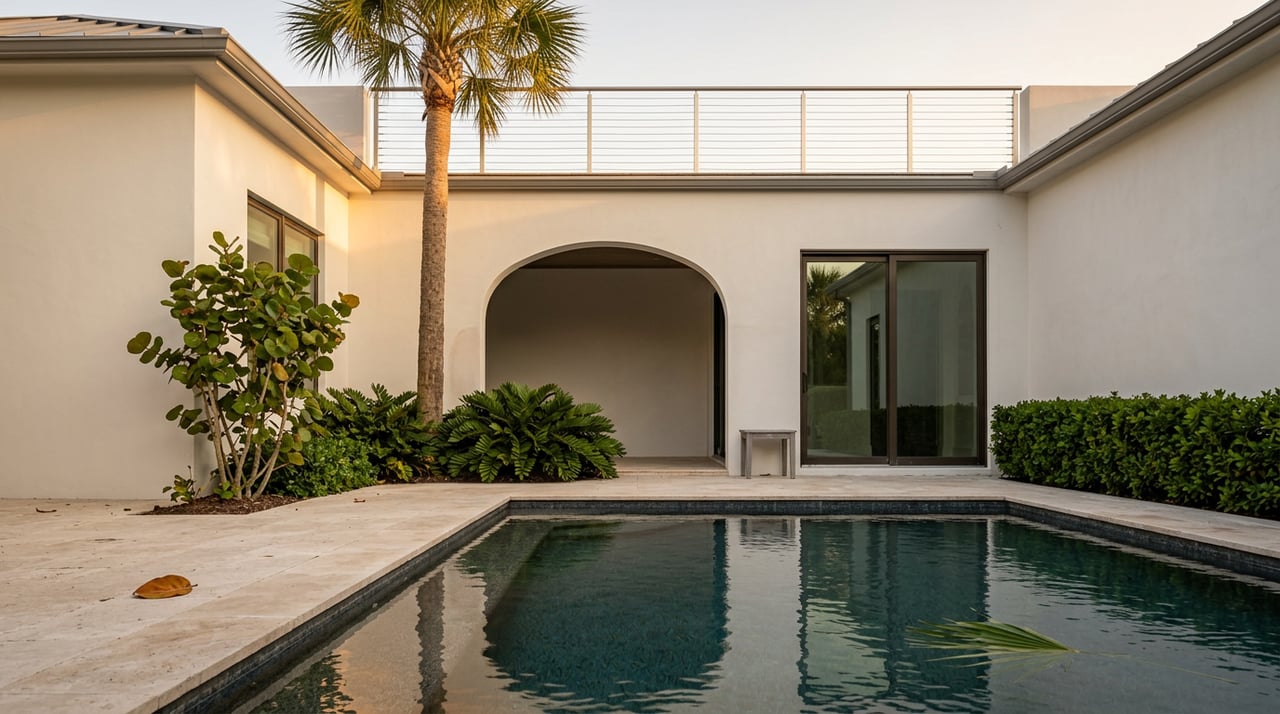
Thinking about a Seagrove Beach home you can enjoy and also rent to guests? Short-term rentals can perform well along 30A, but the rules are layered and change over time. You want a plan that keeps you compliant, protects your investment, and supports good neighbor relations. This guide walks you through how rules work here, what to verify before you buy, and the steps to run a smooth, legal operation. Let’s dive in.
How STR rules work in Seagrove Beach
Seagrove Beach sits in unincorporated Walton County. That means county rules apply, along with state law and any private community restrictions. Your property can be allowed by the county and still be limited by a condo or HOA.
The four layers to check
- Florida state law and taxes.
- Walton County ordinances and code enforcement.
- Unincorporated status for Seagrove Beach under county jurisdiction.
- HOA, condo, or deed restrictions that can be stricter than the county.
Private covenants are enforceable. Treat them as binding even if the county allows short-term rentals.
Registration and permits
Requirements in Florida often include a local business tax receipt, possible short-term rental registration, and posting your permit or license numbers on listings. Some places require a 24/7 local contact and may conduct safety checks.
What to confirm in Walton County
- Whether a separate short-term rental registration is required beyond a business tax receipt.
- Any life-safety standards or inspections tied to occupancy.
- If a local agent or contact must respond to complaints within a set time.
- Display rules for permit or license numbers on advertisements.
Start by reviewing the county’s site and code, then call the relevant offices to confirm current procedures.
Taxes on short-term rentals
In Florida, transient rentals are generally subject to state sales and use tax and may also be subject to a local tourist development tax. Registration is required before you collect rent.
State sales tax registration
Register with the Florida Department of Revenue to collect and remit state sales tax on transient lodging. Review how the state treats cleaning fees and other charges so you collect tax correctly. You can find guidance at the Florida Department of Revenue.
Local tourist development tax
Many Florida counties levy a local tourist development tax on short-term lodging. Rates and remittance schedules vary. Confirm whether Walton County requires a separate local tax registration and how often you must file.
Marketplace collection pitfalls
Some platforms may collect and remit certain taxes for you. Coverage can vary by platform and by tax type. Do not assume all taxes are covered. Verify for each platform and for Walton County tax types.
Operating rules along the 30A corridor
Seagrove Beach has narrow roads and high visitor demand, so day-to-day rules often focus on safety and neighborhood quality. Expect clear rules around occupancy, parking, noise, and trash.
Occupancy and septic limits
Occupancy is sometimes set by bedroom count, square footage, septic system capacity, or fire code. Advertise an honest maximum and enforce it in your house rules.
Parking
On-site spaces may be required, and street parking can be restricted along 30A. Towing and fines are common outcomes when rules are ignored. Measure actual, usable spaces during due diligence.
Noise and nuisance
Counties often set quiet hours, restrict outdoor amplified sound, and escalate fines for repeat issues. Walton County enforces nuisance rules through the sheriff and code enforcement. Review relevant provisions in the Walton County Code of Ordinances and set firm guest rules.
Trash and events
Expect rules on trash containers, pickup days, and event limits. Many areas require permits for large gatherings. If your community disallows events, reflect that clearly in your listing and rental agreement.
HOA and condo rules can be decisive
Along 30A, many communities shape the rental model. Some allow short-term rentals with conditions such as minimum stays, guest registration, occupancy caps, and parking limits. Others prohibit short-term rentals outright. Associations can fine, lien, and seek court orders to enforce rules. Review every recorded document and amendment before you commit to a property.
Enforcement, penalties, and appeals
Complaints often trigger a path from warning to fines, with higher penalties for repeat violations. Owners, not just guests, bear the risk. Tax noncompliance can lead to fines, interest, and possible criminal penalties for willful evasion. Most county citations include an appeal process. HOA enforcement follows its own procedures and can move to court if needed.
Investor due diligence checklist
Use this checklist before you buy and when you set up operations.
Pre-purchase checks
- Zoning and land use: Confirm the parcel’s zoning and whether short-term rentals are permitted in that district. Ask about any corridor overlays along 30A.
- County code: Review short-term rental, parking, noise, and licensing provisions in the Walton County Code of Ordinances.
- HOA or condo: Read the full CC&Rs, bylaws, rental schedules, and all amendments. Check recent board minutes for enforcement trends.
- Taxes and revenue: Model state sales tax and any local tourist development tax. Ask booking platforms what they collect for Walton County, then verify.
- Insurance: Confirm short-term rental coverage and consider additional liability for coastal exposure.
- Utilities and property condition: Inspect septic capacity if applicable, flood zone status, and wind-related building features.
- Parking and access: Verify on-site parking and any street or corridor restrictions.
- Market performance: Confirm typical occupancy and seasonality for South Walton to set realistic revenue expectations.
- Advisors: Engage a Florida real estate attorney and a CPA familiar with transient-lodging taxes.
Post-close compliance and operations
- Register for required business tax receipts, any county short-term rental permits, and state tax accounts with the Florida Department of Revenue.
- Set up accounting to track taxable revenue and fees.
- Designate a 24/7 local contact and document response procedures.
- Adopt house rules for occupancy, parking, quiet hours, trash, pool or septic care, and event limits.
- Post required numbers and emergency contacts on listings and inside the home.
- Install safety items and post maximum occupancy.
- Keep a complaints log with clear remediation steps.
- Maintain proof of tax filings and remittances and reconcile regularly.
- Monitor HOA communications for proposed changes to rental rules.
Where to verify current rules
- Walton County government site for code, permitting, and contacts: Walton County official website.
- Walton County Code of Ordinances for noise, parking, business licensing, and any rental provisions: Municode library.
- Florida Department of Revenue for registration and sales tax guidance: Florida Department of Revenue.
- Tourist development, visitor data, and updates: Visit South Walton or the Walton County Tourist Development Council.
- Sheriff’s Office and County Code Enforcement for complaint procedures and enforcement contacts.
- Your HOA or condo management company for recorded documents, rental registrations, and restrictions.
Ready to evaluate properties that fit your rental strategy and stay on the right side of the rules? For neighborhood insight, investor modeling, and white-glove coordination from search to closing, connect with Elizabeth Boswell.
FAQs
What permits do I need to operate a short-term rental in Seagrove Beach?
- Confirm a Walton County business tax receipt, any short-term rental registration or permit that may apply, and state sales tax registration with the Florida Department of Revenue.
Are short-term rentals allowed in every Seagrove Beach neighborhood?
- No, many HOAs and condos set their own limits or minimum lease terms, and these private rules can prohibit or tightly control short-term rentals.
How are taxes handled for Seagrove Beach short-term rentals?
- Register with the Florida Department of Revenue for state sales tax and confirm whether a local tourist development tax applies and requires separate registration.
Do booking platforms collect all applicable taxes for Walton County?
- Not always; platform collection varies by platform and by tax type, so you must verify coverage and remain responsible for any uncollected taxes.
What are common occupancy and parking rules for 30A rentals?
- Expect occupant limits tied to bedrooms, square footage, or septic capacity and on-site parking requirements with possible street parking restrictions.
Who enforces noise or nuisance complaints in Seagrove Beach?
- The county sheriff and code enforcement typically handle complaints, with escalating fines or penalties for repeat violations.